WHMIS Training - Workplace Safety Training
Our WHMIS Training program provides participants with essential knowledge about workplace hazardous materials and safe handling practices. This training helps improve safety awareness and ensures workers understand how to manage and work with hazardous materials responsibly.
Course Overview
1hAfter completing this course you'll understand:
- Recognise every WHMIS pictogram and the hazard it warns about
- Tell a supplier label from a workplace label, and know when one is required
- Go straight to the safety data sheet section that answers your question
- Match protective equipment to the specific hazard, not to habit
- Store and separate incompatible products correctly
- Act correctly in the first minute of a spill or an exposure
About this course
Our WHMIS Training program provides participants with essential knowledge about workplace hazardous materials and safe handling practices.
This training helps improve safety awareness and ensures workers understand how to manage and work with hazardous materials responsibly.
WHMIS is the system Canada uses to tell workers what is in the containers they handle and what those contents can do to them. It runs on three things working together: labels on the container, a safety data sheet that goes into detail, and training that lets a worker actually use both.
This course covers all three. You will learn to read a supplier label and tell it apart from the workplace label someone wrote by hand after decanting a product, to recognise each hazard pictogram on sight, and to go straight to the section of a safety data sheet that answers the question in front of you rather than reading sixteen sections to find it.
It is written for the reality of a working shift. The examples are the ones that actually cause incidents: the unlabelled spray bottle, the product transferred into a different container, the mixture nobody checked before storing it next to something else, and the spill that happens when the person nearest to it does not know what they are standing in.
The course is self-paced and takes about an hour. It ends with a certificate you can put straight into a training file.
What you'll learn
Section One
1 lesson · 50 min- WHMIS Training - Workplace Safety Training
What you'll get
Scenario-based lessons
Built around the situations that actually cause incidents: decanted containers, missing labels, and products stored beside something they should never touch.
Safety data sheet walkthrough
A guided pass through all sixteen sections, so you know which one to open for first aid, for storage, and for what to do when it spills.
Pictogram reference card
A printable one-page summary of every hazard pictogram and what it means, for posting where products are handled.
Certificate and wallet card
A printable 8x11 certificate plus a wallet-sized card, both issued as soon as you finish.
Self-paced access
About an hour to complete, on any device, stopping and resuming around your shift.
Audit-ready records
Your completion and score are stored and exportable, so the paperwork is ready when a regulator or a client asks for it.
Why choose us
WHMIS is the training most often treated as a box to tick, which is exactly why it is the gap most often found in a training file. The version that gets remembered is the one built around what a worker is actually holding at the time, not a slideshow of hazard classes.
This course is written for that moment. It spends its time on the decisions people get wrong under time pressure, and on reading a safety data sheet quickly enough that someone will actually do it rather than guess.
Accepted & recognized in
Frequently asked questions
Is WHMIS training mandatory?
Yes, in practical terms. Canadian occupational health and safety legislation requires an employer to provide WHMIS education and training wherever hazardous products are present in the workplace, and to be able to show it was provided. The exact wording differs between the federal jurisdiction and each province, but the obligation itself is not optional, and it applies to far more workplaces than people expect.
Who needs it?
Anyone who works with a hazardous product, or who works near enough to be exposed to one. That is broader than it sounds. Cleaners, warehouse staff, maintenance crews and shop personnel are all commonly caught by it, not only the people whose job title mentions chemicals.
How long does it take?
About an hour, and you can stop and resume. The certificate is issued as soon as you finish rather than posted later, so it can be produced the same day someone asks for it.
How often does it need refreshing?
There is no single national interval. Most employers run an annual or biennial refresher, and a refresher is expected sooner whenever a new hazardous product arrives, a process changes, or it becomes clear that a worker cannot apply what they were taught. That last one matters: the requirement is that the training works, not that it happened.
What is the difference between a supplier label and a workplace label?
A supplier label arrives on the container from whoever sold the product, and its format is set out in regulation. A workplace label is the one your own site produces, usually after a product has been decanted into a different container. Missing or handwritten workplace labels are one of the most common findings in an inspection, and the course covers what one has to contain.
Does this cover the safety data sheets we keep on site?
Yes. Safety data sheets follow a standard sixteen-section order, which is what makes them quick to use once you know the layout. The course walks the sections and points out which ones matter in an emergency, so nobody is reading from the top while a spill spreads.
Will my employer accept an online WHMIS certificate?
Online delivery is normal for the education component of WHMIS, and this certificate records that it was completed. Employers are separately responsible for site-specific instruction: the actual products on your site, where the safety data sheets are kept, and what your own spill procedure is. No online course can cover those, and any that claims to is overreaching.
Still have questions?
Our team is happy to help you choose the right training.
Are you looking to train yourself or your team?
Gain access to our easy-to-use platform
Not tech-savvy? No problem. Anyone with an internet connection can access the training and earn a certificate.
No scheduling required
Complete the training in your own time - start, pause and resume whenever it suits you.
Get certified
On completion you can instantly download and print your certificate.
How to get started
Add the course to your cart, check out, and start learning right away.
Buy seats in bulk
Purchase multiple seats at discounted bulk pricing - see the price table above.
Assign to your crew
Invite team members and assign seats from your dashboard in a few clicks.
Track progress
Monitor every learner's progress and completions in one place.
Manage certificates
Access and download your whole team's certificates anytime.
Trusted by workplaces across Canada
Industry-aligned training delivered 100% online.
Related products
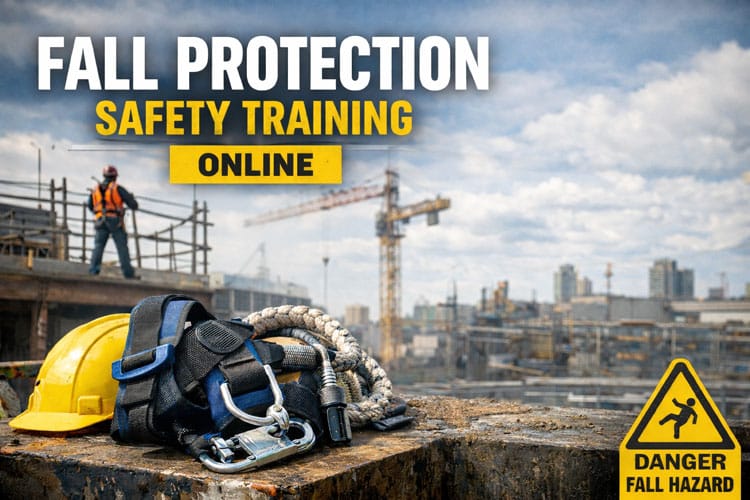
Safety Training
Fall Protection Safety Training
The Fall Protection Safety Training is designed to provide critical skills for recognizing fall hazards and applying safe work practices in...
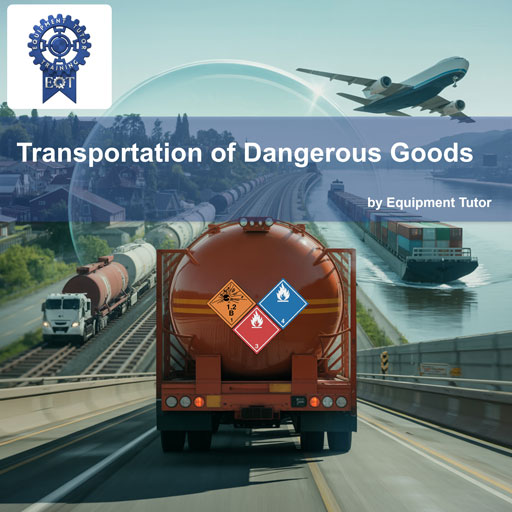
Safety Training
Transportation of Dangerous Goods
A beginner TDG course covering classification, the nine classes, safety marks, shipping documents, segregation and emergency response.
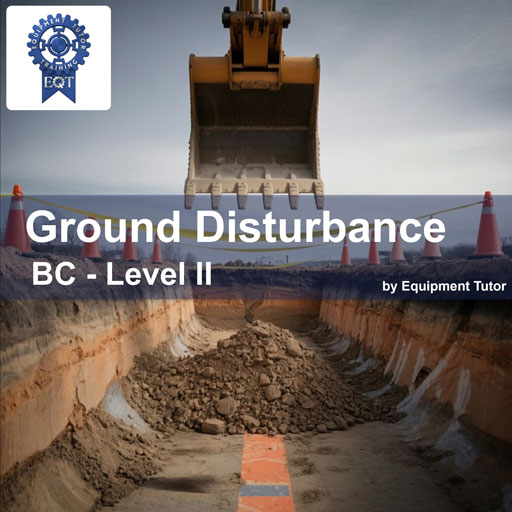
Safety Training
Ground Disturbance BC - Level II
Beginner ground disturbance training for BC: legal duties, planning, locates and marking, safe excavation, and damage reporting.